Wednesday, 16 January 2019
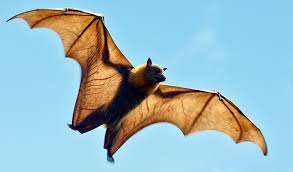
Activity 2: Flying Foxes [4 points]
If you could have a superpower, what would it be?
If I could have a super power it would be to have anything I want so if I say " I want new books" it would be right there. I'd like to have this superpower because you could have anything you would want and it would be right there.
Flying foxes usually sleep during the day and hunt for food at night, using their ears to guide them through the darkness. Like other bats, they have the best hearing of any mammal. It is their ‘superpower.’

DAY 3: Taking Flight | Activity 1: Bird of the Year! [4 points]
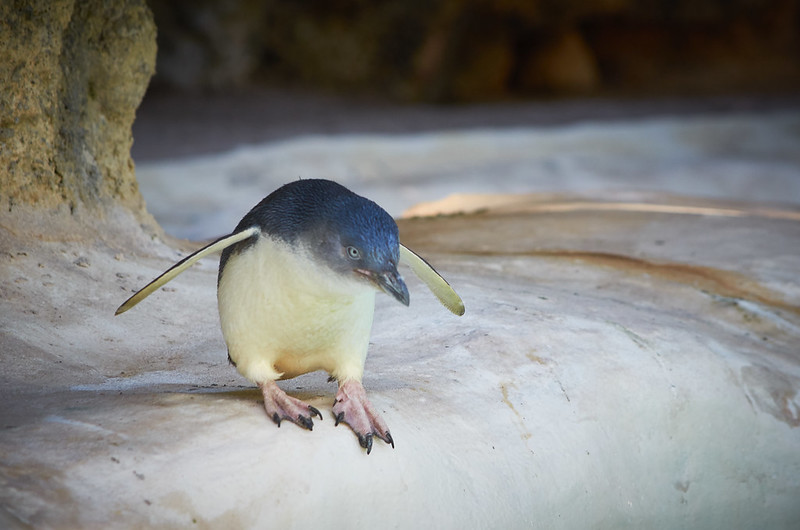
This is the bird I chose for this activity. This bird is called Little Penguin (Kororā). This bird is mostly found on the coastlines of southern Australia and New Zealand. In Australia this bird is known by fairy penguins because of the size. Little penguins can eat about 25% of their body weight (approx. 250g) of small fish daily such as Barracouta, Anchovies, Red Cod, Pilchards and squid. Like those of all penguins, the little penguin's wings have developed into flippers used for swimming. The little penguin typically grows to between 30 and 33 cm (12 and 13 in) tall and usually weighs about 1.5 kg on average (3.3 lb). Like most seabirds, they have a long lifespan. The average for the species is 6.5 years, but flipper ringing experiments show in very exceptional cases up to 25 years in captivity.
This image is from flickr created by dilettantiquity
(CC BY-SA 2.0)
This image is from flickr created by dilettantiquity
(CC BY-SA 2.0)
Monday, 7 January 2019
Activity 3: Flying Fungi [10 points]
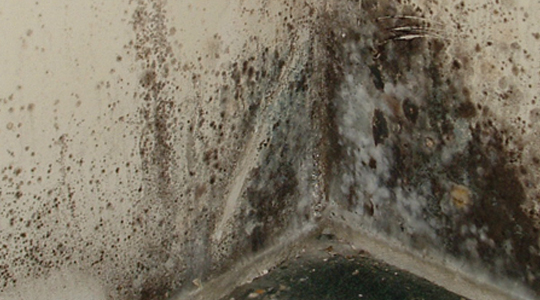
In the middle of winter it can get quite wet and damp in New Zealand, can’t it? When it gets really damp, it is common for things like mold and fungi to start to grow. We can often see them on the walls, ceilings or floors of our houses or outside on footpaths, buildings or roadways. Some types of mold and fungi are so small that they can’t be seen. Some of these tiny fungi/molds can be found in the air. They are called ‘airborne fungi’ and they can be unhealthy for us.
Let’s imagine that we tested the air in your classroom and found 7 different kinds of mold. Eek! The cleaner says that it takes 5 days for each mold to be eradicated (removed). If the school had to remove each mold one at a time, how long would it take to remove all the mold from the classroom?
It would take 35 days because 7x5 = 35 and 5x7 = 35. I had gotten my answer by using my multiplication facts.
It would take 35 days because 7x5 = 35 and 5x7 = 35. I had gotten my answer by using my multiplication facts.
Saturday, 5 January 2019
Activity 2: Carbon Sinks Don’t Stink! [4 points]
Every day a chemical compound called carbon dioxide (CO2) is produced and released into the air. If it isn’t removed, it can become toxic for humans. Fortunately, there are a number of places where CO2 is absorbed (removed from the air). Two of the most common places are forests and oceans. They are called ‘carbon sinks’ because, like a sink, they gather, clean and drain things away that we don’t want. One of the largest carbon sinks in New Zealand is a forest in the south-western part of the South Island. It drains away 60% of our unwanted carbon!
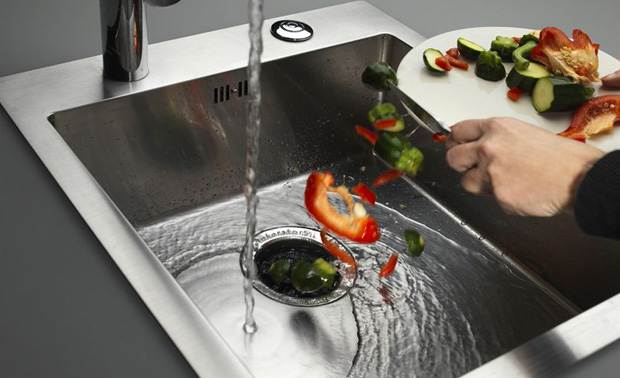
Let’s imagine that you could design a sink that could gather up and then drain away any foods that you don’t like. On your blog, tell us what you would put in your special sink. If it was me, I would put rice pudding, brussel sprouts, custard, parsnips, and seafood chowder in the sink. Yuck! What about you?
Food I would put In my sink
Asparagus
Beetroot
Egg Plant
Fish
Carrots
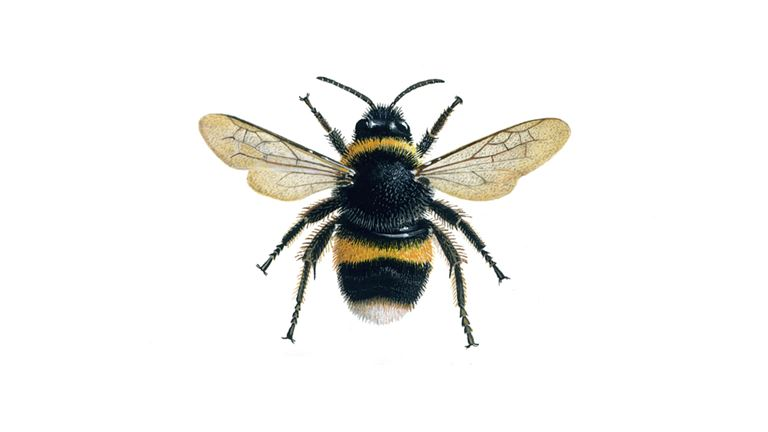
DAY 2: The Air Up There | Activity 1: Bee Informed [4 points]
The word ‘bumblebee’ is a compound word (bumble + bee). The word ‘bumble’ means to hum, buzz, and drone.
Bumblebees can fly very quickly. They can reach ground speeds of 90 kilometres per hour (km/h)
Bumblebees can fly very quickly. They can reach ground speeds of 90 kilometres per hour (km/h)
Bumblebees are very strong! They carry up to 50 percent of their body weight in food with them to avoid starvation.
Bumblebees can do more work and carry more pollen than other bees, including honeybees. In fact, they can do up to 54 times as much work as a normal honeybee.
The number of bumblebees is declining in New Zealand due to a number of factors, including the removal of wildflowers and flowering trees, habitat loss, and extensive use of pesticides.
Activity 3: Burning Up… [15 points]
While it can get hot in New Zealand, especially in the middle of summer, it gets even hotter in places like Dallol (Ethiopia), Dasht-e Loot (Iran), Tirat Zvi (Israel), Kabili (Tunisia) and Bandar-e Mahshahr (Iran).
The hottest temperature on record in each place is: Dallol: 41oC; Dasht-e Loot: 71oC; Tirat Zvi: 54oC; Kabili: 55oC; Bandar-e Mahshahr: 51oC. Crazy ‘eh?!
For this activity, you are asked to use this information to create a graph. The graph should have a title along with the names of each city and their hottest recorded temperatures. You can draw the graph by hand or use a computer programme like Google Draw to create your graph. It’s completely up to you!
Activity 2: You are my Sunshine [4 points]
People in New Zealand love spending time outdoors. Unfortunately, the sun is very powerful and the rates of skin cancer are incredibly high in New Zealand. In fact, they are higher than anywhere else in the entire world! To protect ourselves against skin cancer, we need to be careful about how much time we spend in the sun. We have to be ‘Sunsmart.’
Five things you need to do in the sun
1) Where sunhat at all times when outside to avoid skin cancer
2)Where Sunscreen
3) Clothing
4)Stay in shade
5)Sunglasses

Subscribe to:
Posts (Atom)